One of the biggest misconceptions about smart homes is that they are just expensive toys for tech lovers. In reality, a well-designed smart home is an incredibly efficient machine. The primary benefit for many homeowners isn’t the “cool factor”—it’s the substantial savings on monthly utility bills.
According to recent studies, heating and cooling account for nearly 50% of the average home’s energy consumption. By leveraging smart technology, you can slash that percentage significantly. Here is how to turn your home into a model of efficiency.
The Brain: Smart Thermostats
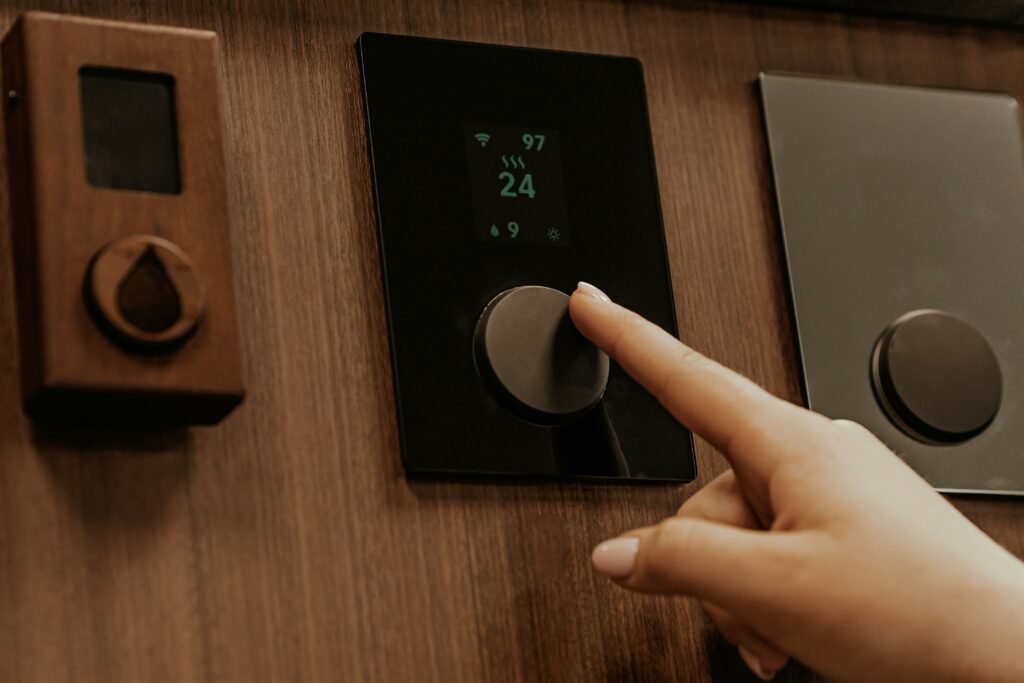
The single most impactful upgrade you can make is installing a smart thermostat. Devices like the Nest Learning Thermostat or Ecobee SmartThermostat do more than just follow a schedule.
- Learning Algorithms: The Nest thermostat learns your habits over time. If you turn the heat down every night at 10 PM, it will eventually start doing it for you.
- Geofencing: This is a game-changer for efficiency. The thermostat uses your phone’s location to detect when you leave the house (and when you are coming back). It can automatically switch to “Eco Mode” when the house is empty, ensuring you aren’t paying to heat or cool an empty home.
- Remote Sensors: The Ecobee comes with room sensors. If you are sleeping in the bedroom, the system prioritizes the temperature in that room, rather than the hallway where the thermostat is mounted.
Eliminating “Vampire Power” with Smart Plugs
Did you know that your TV, coffee maker, and computer charger draw power even when they are turned off? This is called “Vampire Power” or standby power, and it can account for up to 10% of your electricity bill.
Smart Plugs (like those from TP-Link Kasa or Wyze) solve this instantly.
- You can plug your TV or entertainment center into a smart plug.
- Set a schedule: “Turn off power at 11 PM and turn on at 6 PM.”
- This completely cuts the power circuit, ensuring zero energy is wasted while you sleep or are at work.
Intelligent Lighting
Smart lighting contributes to efficiency in two ways:
- Dimming: Light bulbs use less electricity when dimmed. Smart bulbs allow you to automatically dim lights based on the time of day. You rarely need 100% brightness at 8 PM; 60% is often sufficient and much more pleasant.
- Automation: We’ve all left a light on by mistake. With smart lighting, you can set an “All Lights Off” routine that triggers when you leave the house or go to bed. No more wasted kilowatts.
Monitoring Your Consumption
To truly improve efficiency, you have to measure it. Smart home energy monitors (like the Sense Energy Monitor) connect to your electrical panel. They use machine learning to identify every device in your home.
You can open the app and see exactly how much energy your AC is using versus your dryer. This data helps you make informed decisions—perhaps running the dishwasher at night when electricity rates are lower, or realizing it’s time to replace that old, inefficient refrigerator.
Solar Integration
For the ultimate efficient home, smart technology pairs perfectly with solar panels. Smart inverters can manage the flow of electricity—prioritizing solar power during the day and switching to the grid only when necessary. You can monitor your production versus consumption in real-time.
The ROI of Efficiency
While the upfront cost of smart devices can be higher than traditional ones, the Return on Investment (ROI) is surprisingly fast.
- A smart thermostat can save an estimated $130-$150 per year on energy bills.
- Smart plugs and LED bulbs add to the savings.
Within 2-3 years, the devices have paid for themselves, and every dollar saved after that is pure profit. A smart home isn’t just a luxury; it’s a financially savvy investment.