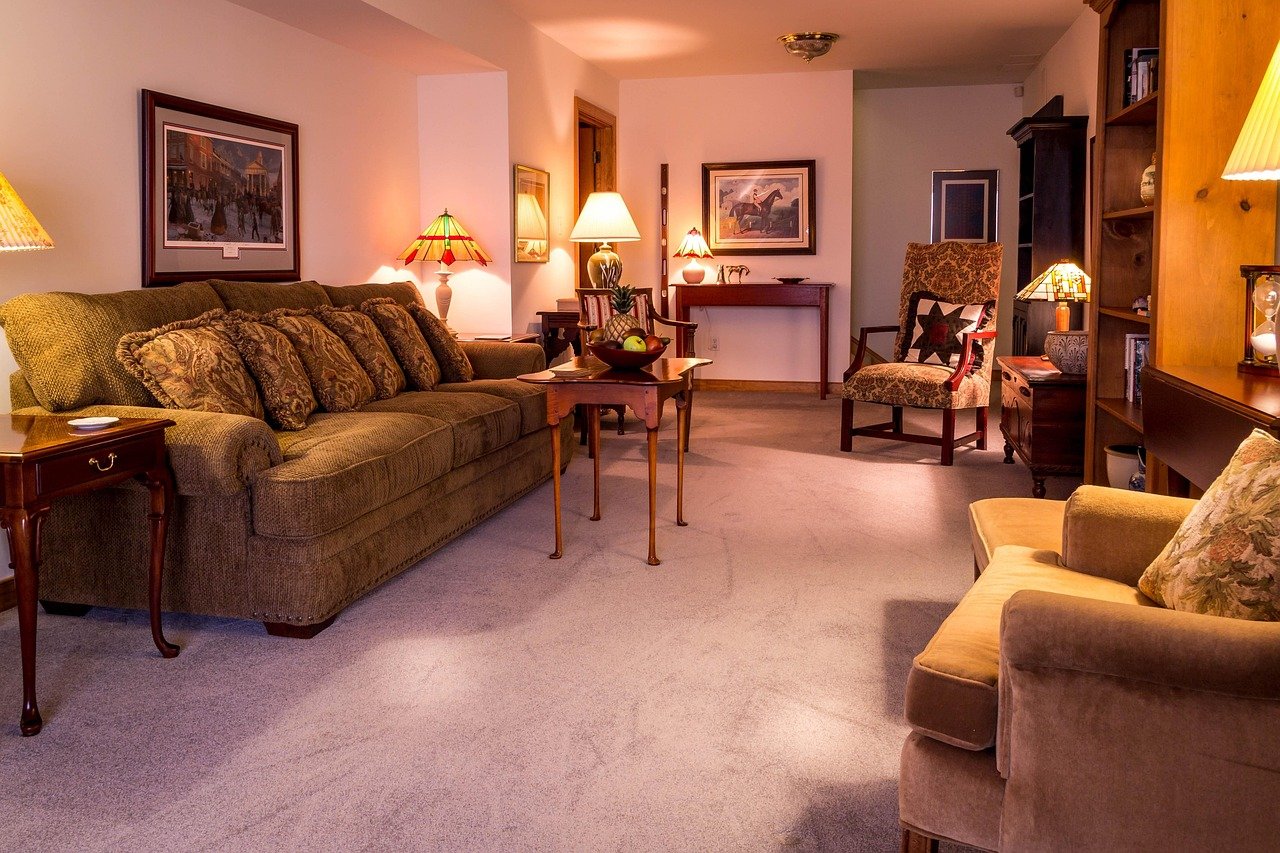
Transform your home into a warm, inviting sanctuary with light that adapts to your mood
Why Lighting is the Heart of Coziness
Lighting is the single most important element in creating a cozy home. More than furniture, more than paint colors, more than decor—the way light fills a space determines how it feels.
Think about the spaces where you feel most at ease. A corner coffee shop with warm pendant lights. A friend’s living room with soft lamp glow. A bedroom with dim, amber light at the end of a long day.
What do they have in common? Warm, layered, intentional lighting.
With smart lighting, you gain complete control over not just brightness, but color temperature—the warmth or coolness of the light itself. You can shift from energizing daylight to cozy candlelight with a voice command or an automated schedule.
This guide shows you exactly how to use smart lighting to create warmth throughout your home, room by room, scene by scene.
The Science of Warmth: Understanding Color Temperature
Before we dive into design, let’s understand what “warmth” actually means in lighting.
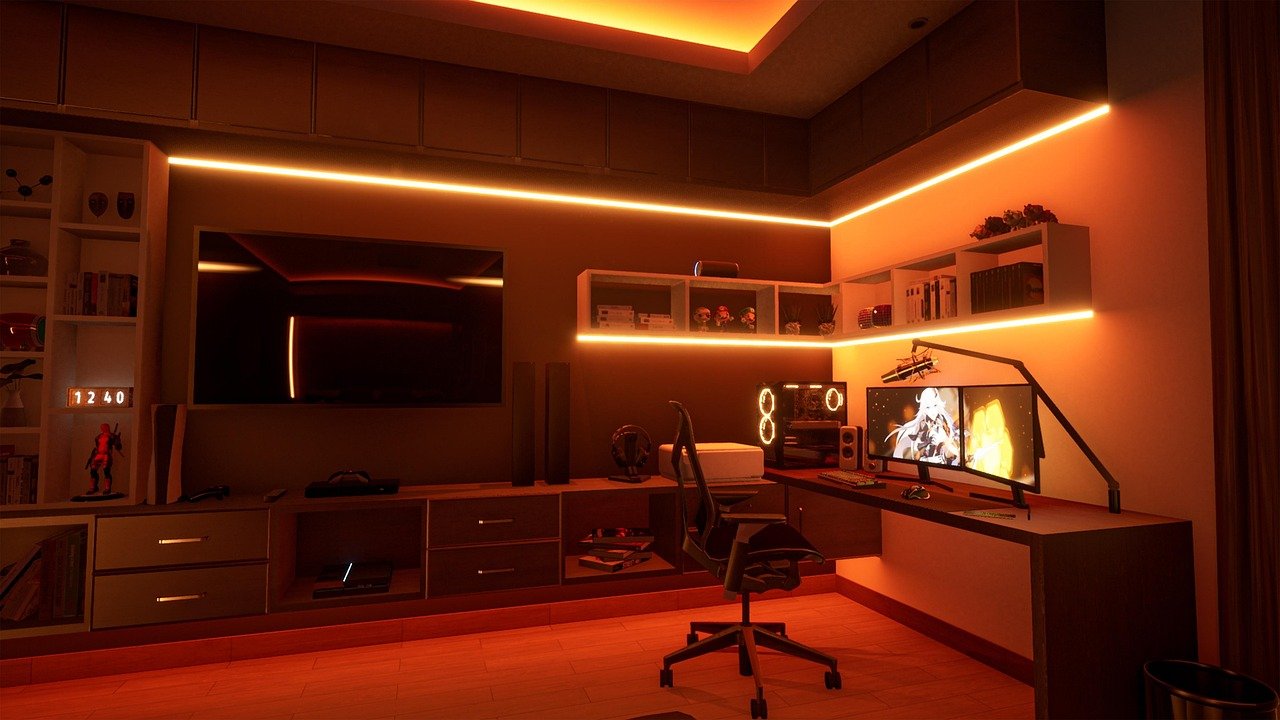
Light color is measured in Kelvin (K) . The scale might seem counterintuitive at first:
- Higher Kelvin (5000K–6500K) = Cooler, bluer light (like midday sun)
- Lower Kelvin (2000K–2700K) = Warmer, amber light (like sunset or candlelight)
What Each Range Feels Like
2000K–2200K: Candlelight
Deep amber, almost orange. Perfect for intimate evenings, dining, or winding down. This is the color of flames and firelight.
2400K–2700K: Warm White
The classic “cozy” range. Think of traditional incandescent bulbs or sunset glow. Ideal for living rooms and bedrooms in the evening.
3000K–3500K: Soft White
Slightly warmer than neutral. Works well for kitchens and bathrooms where you need some visibility but still want warmth.
4000K–5000K: Neutral to Cool
Clean and energizing. Good for home offices, task lighting, and mornings—but not for cozy evenings.
5000K–6500K: Daylight
Bright and clinical. Perfect for garages, workshops, and detailed tasks. Avoid in living spaces after sunset.
For a deeper dive into lighting science and bulb selection, read our complete Ultimate Guide to Smart Lighting.
Layered Lighting: The Secret to Cozy Spaces
Cozy rooms rarely rely on a single light source. They use layers of light that work together.
The Three Layers of Lighting
Ambient Lighting: The base layer. Overhead fixtures, recessed lights, or general illumination that fills the room.
Task Lighting: Focused light for specific activities. Reading lamps, under-cabinet kitchen lights, vanity lights.
Accent Lighting: Decorative light that highlights features. Picture lights, light strips behind furniture, uplighting on plants.
Smart lighting makes layering effortless because you can control each layer independently—and save them as “scenes” you recall anytime.
Room-by-Room Cozy Lighting Guide
Every room in your home can benefit from warm, thoughtful lighting. Here’s how to approach each space.
Living Room: The Heart of Cozy
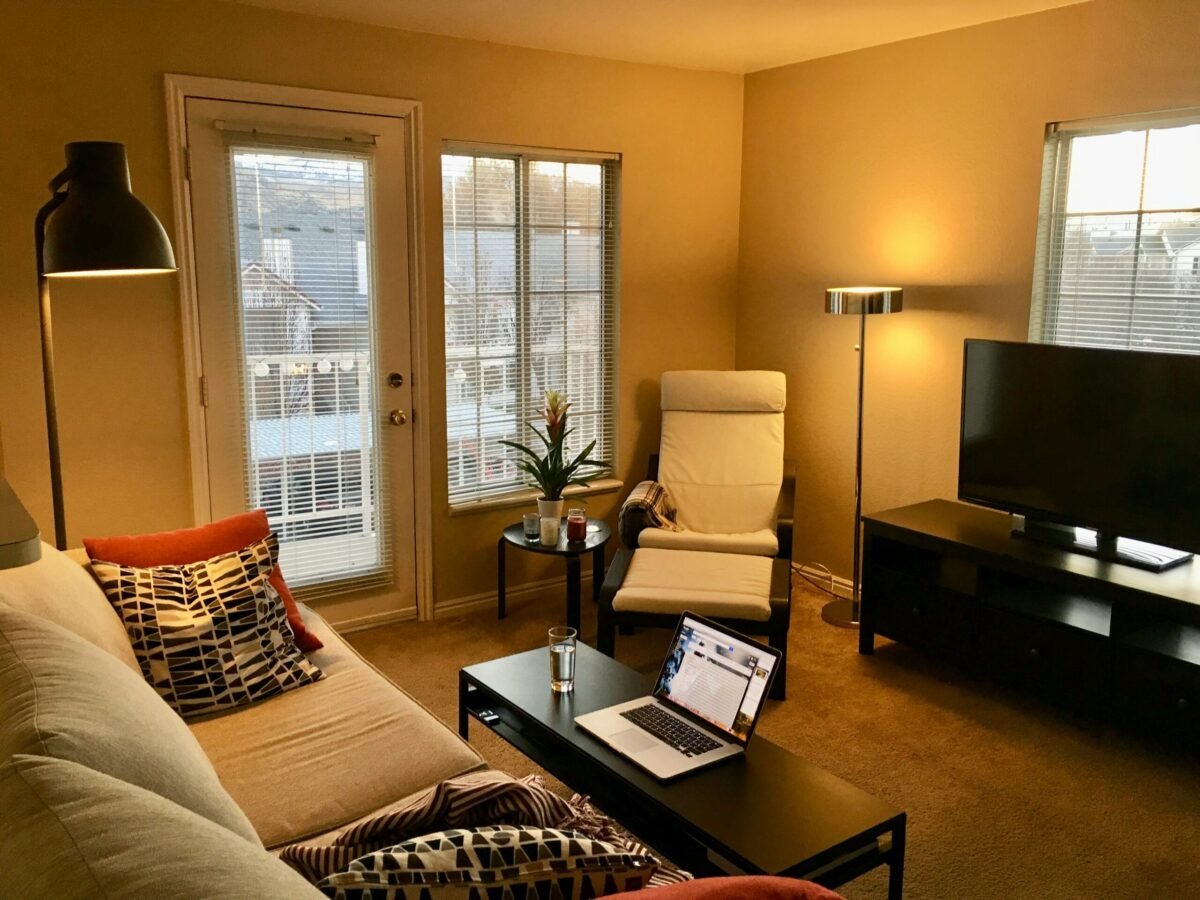
Your living room needs multiple scenes to match different activities.
“Daytime” Scene (9 AM – 5 PM)
- Bright, neutral light (3500K–4000K) at 80–100%
- Good for reading, conversation, general activity
“Evening Relax” Scene (5 PM – 8 PM)
- Gradual shift to warm white (2700K) at 50–60%
- Transition begins as sun sets
- Feels natural and calming after work
“Movie Night” Scene (Anytime)
- Main lights dim to 10–20% at 2400K (very warm)
- Bias lighting behind TV activates (light strip set to warm white or subtle color)
- Path lighting to kitchen/bathroom remains at 5%
“Social” Scene (Evening gatherings)
- Warm (2700K) at 40–50%
- Multiple lamps on, overhead off
- Inviting without being too dim for conversation
Dining Room: Intimate Evenings
Dining rooms thrive on warmth. Cool light makes food look unappetizing and conversations feel rushed.
“Everyday Dinner” Scene
- Warm (2400K–2700K) at 30–40%
- Pendant light or chandelier focused on table
- Surrounding lights dim or off
“Romantic Dinner” Scene
- Deep amber (2200K) at 15–20%
- Candlelight simulation (some bulbs have flame effects)
- Absolutely no overhead light—only ambient glow
“Family Meal” Scene
- Slightly brighter (2700K at 50%)
- Enough light to see everyone clearly while maintaining warmth
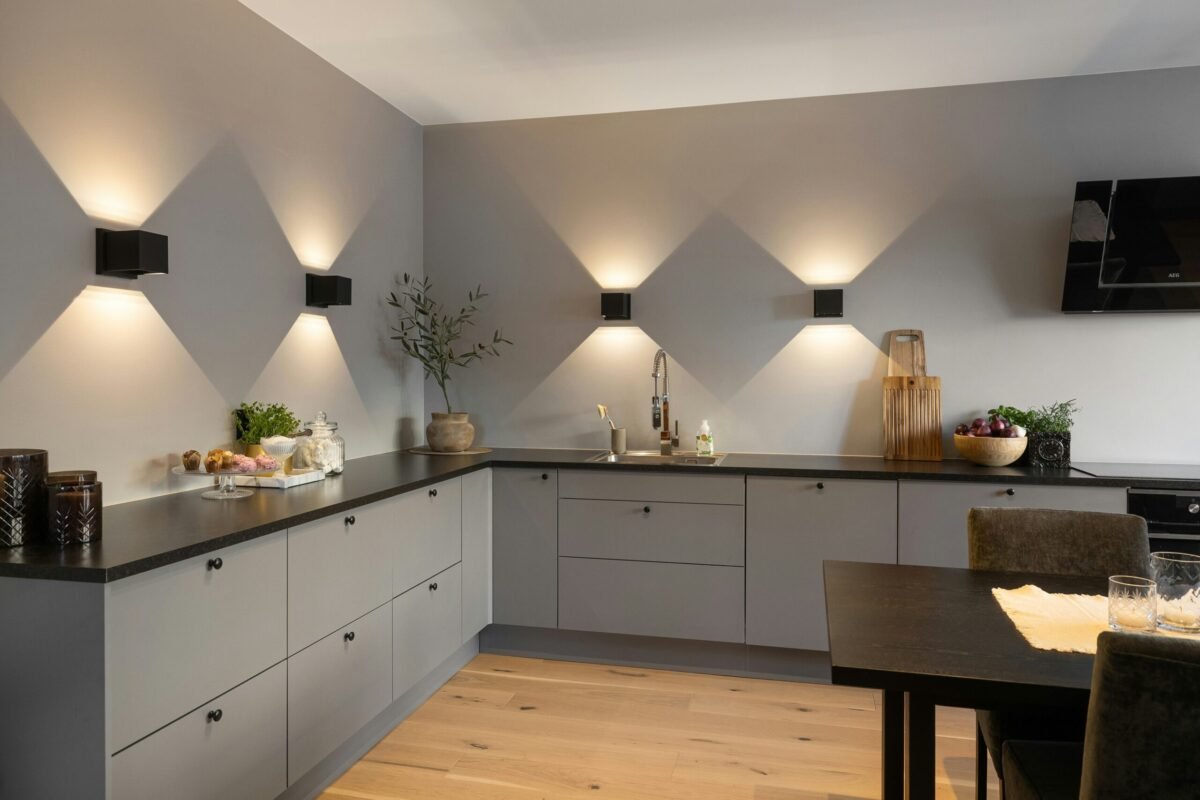
Kitchen: Warm When You Want It
Kitchens need flexibility—bright for cooking, warm for late-night visits.
“Cooking” Scene
- Bright overhead (4000K) at 100%
- Task lighting on work areas
- Functional and clear
“Clean-Up” Scene
- Neutral (3500K) at 60–70%
- Easy to see while winding down
“Late-Night Snack” Scene
- Under-cabinet lights only (2400K at 10–20%)
- Warm, dim, below eye level
- Protects sleep cycle while providing enough light
Bedroom: Your Sleep Sanctuary
Your bedroom lighting should actively support rest. For complete bedroom lighting strategies, see our Smart Bedroom Design Ideas for Better Sleep.
“Wind-Down” Scene (1–2 hours before bed)
- Warm (2400K) at 20–30%
- Bedside lamps only
- No overhead light
“Reading” Scene
- Warm (2700K) at 40–50%
- Focused light from reading lamp
- Partner’s side can remain dark
“Asleep” Scene
- All lights off
- Night light path to bathroom at 1% (if needed)
Hallways and Entryways: Warm Welcome
Hallways often get forgotten, but they set the tone as you move through your home.
“Evening” Mode
- Warm (2700K) at 20–30%
- Motion-activated so lights only appear when needed
- Creates a gentle path through the home
“Night” Mode
- Deep amber (2200K) at 5%
- Only activates with motion
- Protects night vision for bathroom trips
Beyond Bulbs: Creative Accent Lighting for Warmth
Cozy lighting isn’t limited to ceiling fixtures and lamps. Accent lighting adds depth and personality.
Smart Light Strips
Flexible LED strips open countless possibilities for warm accent lighting:
Behind the TV
Bias lighting reduces eye strain during dark scenes and adds beautiful ambiance. Set to warm white (2400K) for movie nights, or cool white for daytime viewing.
Under Cabinets
In kitchens and bathrooms, under-cabinet strips provide task lighting that can shift from bright (cooking) to warm (late-night).
Inside Bookshelves
Light strips aimed upward behind books create stunning depth. Set to warm white and leave on low throughout evening.
Along Baseboards
Subtle floor-level lighting creates a floating effect. Use warm dim settings for nighttime path lighting.
Behind Headboards
A warm glow behind your bed creates a luxurious, hotel-like feel.
Smart Lamps and Portable Lights
Not all smart lights need to be hardwired. Portable, rechargeable smart lamps let you move light where you need it:
- Take a warm lamp to the patio for evening relaxation
- Move a reading light from bedroom to living room
- Place on a dining table for intimate dinners
Outdoor Cozy Lighting
Warmth shouldn’t stop at your front door. Extend the feeling outside:
- Smart string lights on the patio (warm white only—cool string lights feel harsh)
- Smart path lights leading to the entrance
- Porch sconces that shift to warm amber at sunset
Automation Ideas That Create Coziness
The magic happens when lighting automates itself. Here are specific routines you can copy and adapt.
“Sunset” Routine
Trigger: Daily at sunset (based on your location)
Actions:
- All interior lights shift to warm white (2700K)
- Living room lamps brighten to 50%
- Hallway lights dim to 30%
- Outdoor lights turn on at warm setting
Why it works: Your home naturally transitions with the day, supporting your circadian rhythm without thought.
“Movie Night” Routine
Trigger: Voice command (“Movie time”) or scene selection
Actions:
- Living room overhead lights off
- Floor lamps dim to 10% at 2400K
- TV bias lighting activates (warm white)
- Hallway to bathroom dims to 5%
- Kitchen under-cabinet lights dim to 10%
Why it works: One command sets the perfect viewing environment and ensures safe navigation without ruining your night vision.
“Reading Time” Scene
Trigger: Voice command or scheduled time
Actions:
- Specific reading lamp brightens to 50% at 2700K
- All other nearby lights dim to 10% or off
- Accent lights remain at low level for ambiance
Why it works: Focused light for your activity without wasting energy or disturbing others.
“Good Night” Routine
Trigger: Voice command or scheduled time
Actions:
- All interior lights off
- Night lights activate (bathroom path, hallway baseboards at 1%)
- Outdoor lights remain on for security (if desired)
- (Optional) Confirms doors locked and thermostat adjusted
For more on “Good Night” routines and full-home automation, see our ecosystem buying guides.
“Away” Mode
Trigger: When last person leaves home
Actions:
- Random lights turn on/off at varying times
- All lights use warm settings (2700K)
- Creates realistic occupancy appearance
Why it works: Deters intruders while maintaining a warm, lived-in look—cool white lights at night would look obviously automated.
Choosing the Right Bulbs for Cozy Lighting
Not all smart bulbs create the same warmth. Here’s what to look for.
What to Prioritize
| Feature | Why It Matters for Coziness |
|---|---|
| Tunable White | Lets you shift from cool day to warm evening |
| Wide Kelvin Range | Look for 2200K–6500K to cover candlelight to daylight |
| Deep Dimming (1%) | Cozy means dim; bulbs that only dim to 10% feel harsh |
| High CRI (90+) | Makes warm light feel richer, colors more vibrant |
| Flicker-Free | Prevents eye strain during long evenings |
Tunable White vs. Color Bulbs
Tunable White bulbs are all you need for cozy lighting. They shift between warm and cool white, covering every scenario from morning energy to evening relaxation.
Color bulbs add RGB colors for accent lighting. They’re fun for parties and bias lighting, but not necessary for warmth-focused spaces.
For a complete guide to bulb selection, read our Ultimate Guide to Smart Lighting.
Budget-Friendly Ways to Add Cozy Lighting
You don’t need to spend thousands to transform your home. Start small and expand.
Under $50
- One smart bulb ($15–25) in your favorite living room lamp. Experience warm evenings with a single bulb.
- Smart plug ($10–15) for existing string lights or a floor lamp. Schedule them to turn on at sunset.
Under $100
- Starter pack of tunable bulbs ($40–60) for living room or bedroom.
- Smart light strip ($30–50) behind your TV for bias lighting.
- Smart plug bundle ($20–30) for multiple lamps.
Under $200
- Full-room lighting control: Replace all bulbs in living room with tunable smart bulbs ($80–120).
- Motion sensors ($30–50) for hallways and bathrooms.
- Smart switch ($40–60) for overhead lights that can’t use bulbs.
Under $500
- Professional-grade system: Philips Hue starter kit with hub and multiple bulbs ($150–200)
- Additional light strips for bookshelves, under cabinets, outdoors ($100–150)
- Smart lamps for portable warmth ($50–100)
Common Mistakes to Avoid
Learn from others’ experiences—avoid these pitfalls:
Mistake 1: Buying Cool-Only Bulbs for Cozy Spaces
The Problem: Fixed cool light (5000K) in the evening destroys any chance of coziness. Your living room feels like an office.
Better Approach: Always choose tunable white bulbs for living areas and bedrooms. The flexibility is worth the small premium.
Mistake 2: Ignoring Dimming Specs
The Problem: Some smart bulbs only dim to 10–20%, which still feels bright for evening. Others flicker at low levels.
Better Approach: Look for bulbs advertised with “smooth dimming to 1%” and check reviews for flicker complaints.
Mistake 3: Overlighting the Room
The Problem: Turning on every light, even at dim levels, can feel overwhelming. Cozy spaces use selective lighting.
Better Approach: Use only 2-3 light sources in a room for evening. Let shadows exist—they add depth.
Mistake 4: Forgetting to Automate
The Problem: Manual adjustments get old fast. Within weeks, you’re back to using switches and losing the magic.
Better Approach: Invest time in setting up schedules and scenes. Once they work, you’ll never go back.
Mistake 5: Poor Light Strip Placement
The Problem: Visible LED dots ruin the effect. Light strips meant to be hidden look cheap when exposed.
Better Approach: Install strips in channels or behind surfaces where the light diffuses. Look for “diffused” or “cob” strips that hide individual LEDs.
Mistake 6: Using Cool White Outdoors at Night
The Problem: Cool outdoor lighting at night feels harsh and institutional—like a parking lot.
Better Approach: Set all outdoor lights to warm white (2700K) after sunset. String lights should always be warm.
Mistake 7: Ignoring CRI
The Problem: Low-CRI warm light looks muddy and dull instead of rich and inviting.
Better Approach: Choose bulbs with CRI 90+ for living areas. The difference is immediately noticeable.
Frequently Asked Questions
What’s the best color temperature for a cozy living room?
For evening, aim for 2400K–2700K at 20–40% brightness. During the day, you can go brighter and slightly cooler (3500K) if desired.
Can I make existing lamps smart without replacing bulbs?
Yes! Use smart plugs for lamps that stay switched on. You’ll control power (on/off) but not color temperature or dimming. For full control, you need smart bulbs.
How do I hide light strips for a professional look?
Use LED channels (aluminum profiles with diffusers) that recess into walls or cabinets. For quick installs, look for strips with opaque diffusers that hide individual LEDs.
Will warm lighting make it hard to see while reading?
Not if you have proper task lighting. For reading, use a focused lamp at 2700K and 50–80% brightness. The warm temperature won’t affect readability—brightness matters more.
What’s the difference between “warm white” and “soft white”?
Terms vary by brand, but generally:
- Warm white: 2400K–2700K (amber, cozy)
- Soft white: 2700K–3000K (slightly less amber)
- Bright white: 3500K–4000K (neutral)
- Daylight: 5000K+ (cool)
Can I mix smart bulbs and smart switches in the same room?
Yes, but be careful. A smart switch that cuts power to smart bulbs makes them unresponsive until switched back on. Best practice: use smart switches for overhead lights, smart bulbs for lamps that stay powered.
How many smart bulbs do I need for a cozy feel?
Start with 3-5 bulbs in your most-used room. Layer them at different heights—table lamps, floor lamps, and one accent light. That’s enough to create depth.
Final Thoughts: Warmth at Your Fingertips
Creating a cozy home isn’t about buying the most expensive furniture or following design trends. It’s about how a space makes you feel.
Smart lighting puts that feeling in your control.
With a few thoughtful choices—tunable bulbs in key lamps, light strips behind the TV, automated scenes that shift with the sun—you can transform your home into a place that genuinely nurtures you.
The best part? It happens automatically. You don’t think about lighting anymore. You just notice that your home feels warmer, more inviting, more like you.
Start small. Add a single tunable bulb to your favorite reading lamp. Set up a sunset routine. Notice how different your evenings feel.
Then expand, room by room, layer by layer. Your cozy sanctuary awaits.
Resources and Next Steps
Related Guides on GoEFTE
- The Ultimate Guide to Smart Lighting: Science, Sleep, and a Healthier Home
- Smart Bedroom Design Ideas for Better Sleep
- Smart Bathroom Concepts: Your Personal Spa Awaits
- Choosing the Brain of Your Home: Smart Home Hubs Explained
- Which Smart Home Brain is Right for You? The Complete 2026 Decision Guide
Recommended Next Steps
- Audit your current lighting: Which rooms feel least cozy? Start there.
- Buy one tunable bulb: Experience warm evenings for yourself.
- Create one automation: A sunset routine or movie scene.
- Add layers gradually: Light strips, then more bulbs, then outdoor warmth.
- Share your setup: Tag us in your cozy home photos!
Affiliate Disclosure
Some links on this page are affiliate links. If you purchase through these links, we may earn a small commission at no extra cost to you. This helps support our website and allows us to continue providing valuable content. Thank you for your support!
Learn more about our affiliate policy