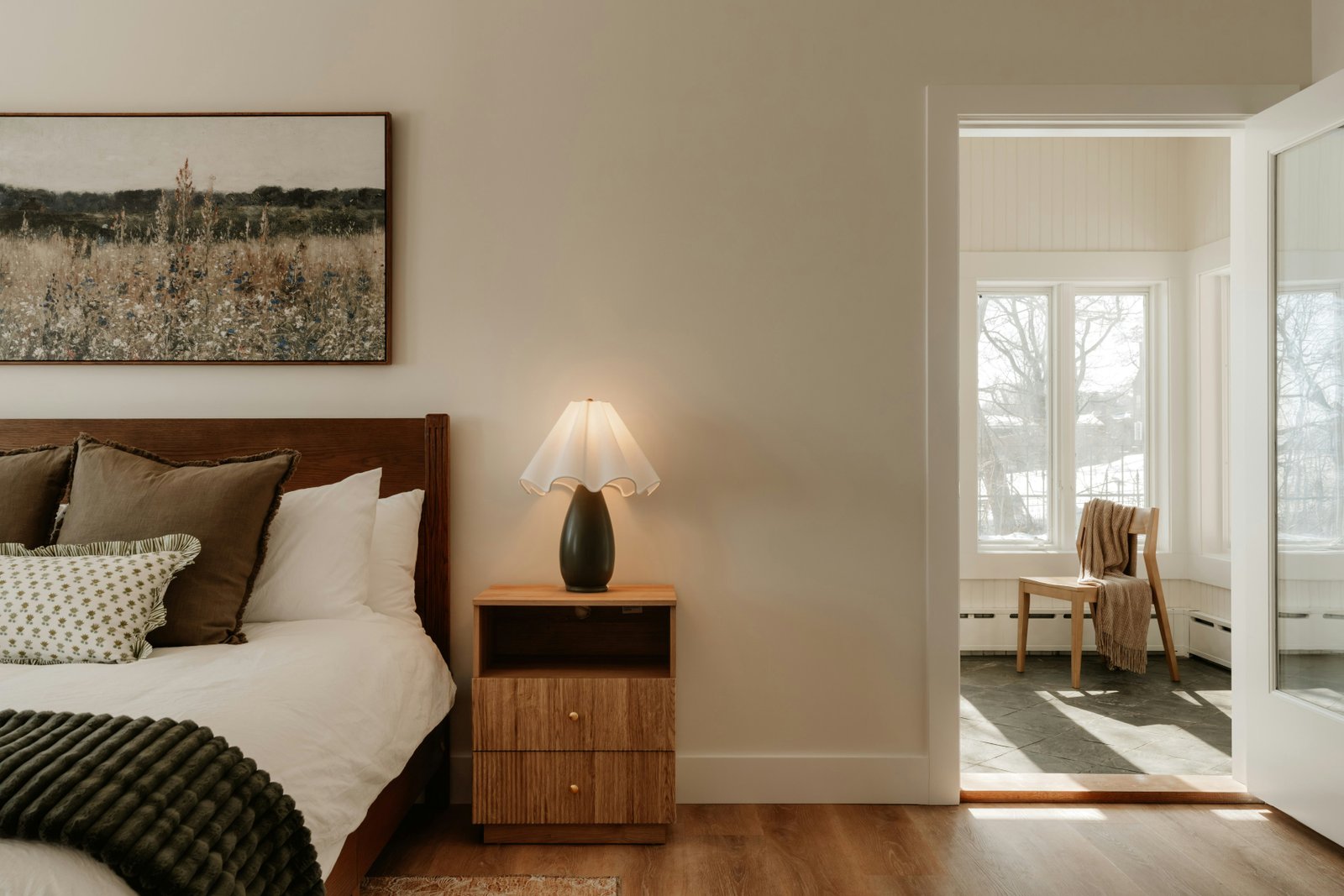
Transform your living space with lighting that works with your body, not against it
Why Lighting Matters More Than You Think {#introduction}
Most of us spend nearly 90% of our lives indoors. Yet very few homeowners think about how indoor lighting affects sleep, energy, mood, and daily comfort.
When people hear smart lighting, they usually think about convenience—voice commands, colorful party modes, or app control from the couch.
But lighting does far more than change the mood of a room.
The color temperature and brightness in your home influence how alert you feel in the morning, how productive you are during the day, and how easily you wind down at night. Modern LED lighting often stays bright and cool well into the evening, creating an environment that feels like midday—even at 10 PM.
The good news? With the right smart bulbs and automation setup, you can align your home lighting with your natural rhythm—without constantly adjusting switches.
🧠 The Science Behind Smart Lighting and Sleep {#science}
Your body follows a 24-hour internal cycle often referred to as the circadian rhythm. This internal timing system helps regulate when you feel alert and when you feel tired.
For most of human history, this rhythm was guided by sunlight:
- Morning light was bright and slightly blue
- Afternoon light was balanced and neutral
- Evening light became warmer and dimmer
- Darkness followed naturally
Today, many homes use cool white LED bulbs from morning until bedtime. Add smartphones, laptops, and TVs—and your brain may still think it’s daytime long after sunset.
Research shows that exposure to cooler, blue-enriched light late in the evening can delay your natural wind-down process. That’s why lighting timing matters just as much as brightness.
This is where circadian lighting at home becomes powerful. Smart lighting allows you to automatically shift color temperature throughout the day—recreating a more natural indoor light pattern.
🌡️ Understanding the Kelvin Scale (Warm vs. Cool Light) {#kelvin}
To improve your lighting setup, you need to understand color temperature, measured in Kelvin (K).
Higher Kelvin numbers appear cooler and more blue.
Lower numbers appear warmer and more amber.
5000K–6500K: Daylight (Energy Zone)
Bright, crisp light similar to midday sun.
Best for:
- Home offices
- Bathrooms
- Garages
- Task lighting
⚠️ Avoid using this range late in the evening.
3500K–4500K: Neutral White (Productivity Balance)
Clean and balanced without feeling clinical.
Best for:
- Kitchens
- Hallways
- Living rooms during the day
This works well as an all-day lighting base.
2000K–2700K: Warm White (Relaxation Zone)
Soft amber tones similar to sunset or candlelight.
Best for:
- Bedrooms
- Reading lamps
- Evening wind-down routines
If you’re searching for the best color temperature for sleep, this is it.
⏰ A Simple Smart Lighting Routine That Actually Works {#routine}
You don’t need complicated automation to benefit from smart lighting for sleep and productivity. A simple three-phase structure works for most homes.
Phase 1: Morning Wake-Up (6 AM – 9 AM)
Instead of turning on a harsh ceiling light, program a sunrise routine.
Start at 1% brightness in warm tones and gradually increase to 5000K over 20–30 minutes.
This feels significantly gentler than sudden bright light.
Phase 2: Focused Day (9 AM – 5 PM)
Keep work areas at 4000K–5000K with strong brightness.
This reduces eye strain and supports alertness during work hours.
If your bulbs support automatic circadian mode, they can adjust based on time of day without manual input.
Phase 3: Evening Wind-Down (7 PM – 10 PM)
This is the most important phase for sleep quality.
Two hours before bed:
- Shift to 2200K–2700K
- Dim lights to 20–30%
- Turn off overhead lighting
- Use lamps positioned below eye level
This signals your body that the day is ending.
Imagine walking into a living room that automatically shifts into a soft amber glow every evening—no switches, no reminders. That’s where smart lighting becomes more than technology. It becomes atmosphere.
🚪 Room-by-Room Smart Lighting Guide {#rooms}
Different rooms serve different purposes. Lighting should reflect that.
The Kitchen: Bright and Functional
Use 4000K–5000K for food prep and safety.
At night, under-cabinet lighting can switch to warm amber to prevent overstimulation during late-night visits.
The Bedroom: Your Sleep Environment
Keep this room on the warmer end of the Kelvin scale.
Even during the day, slightly warmer tones maintain a calm feel.
For the best smart bulbs for bedrooms, prioritize:
- Tunable white
- Deep dimming (down to 1%)
- Flicker-free drivers
The Home Office: Productivity First
Use cooler light during work hours.
If you work late, set automation so lighting shifts warmer at sunset to protect your sleep cycle.
The Living Room: Adaptable Atmosphere
This space needs flexibility. Set scenes for:
- Daytime: Bright, neutral light (3500K–4000K)
- Movie night: Very warm, dim lighting (2200K at 10%)
- Evening social: Warm and inviting (2700K at 40%)
The Bathroom: Alert in the Morning, Gentle at Night
Morning: Bright daylight (5000K) for waking up
Night: Warm, dim path lighting (2200K at 5–10%) for middle-of-the-night visits
🔬 Technical Details That Matter (CRI & Flicker) {#technical}
If you want lighting that feels high-end, look beyond just color temperature.
Color Rendering Index (CRI)
CRI measures how accurately colors appear under a light source.
- CRI under 80: Colors look flat or dull
- CRI 90+: Colors appear natural and vibrant
Higher CRI lighting makes your home look cleaner, richer, and more comfortable. Food looks more appetizing, skin tones appear healthier, and paint colors show their true character.
Flicker-Free Technology
Some lower-quality LED bulbs flicker at a rate invisible to the eye but detectable by the brain.
This can contribute to:
- Eye fatigue
- Headaches
- Visual discomfort
- General unease in a room
When comparing options, look for brands that advertise flicker-free performance and smooth dimming.
⚖️ Smart Lighting vs Traditional Lighting {#comparison}
Traditional lighting is static. You choose one color temperature and live with it for years.
Smart lighting is dynamic.
| Feature | Traditional Lighting | Smart Lighting |
|---|---|---|
| Color Temperature | Fixed | Tunable (2000K–6500K) |
| Scheduling | Manual | Automated |
| Dimming | Limited | Smooth app control |
| Scenes | On / Off | Custom routines |
| Energy Control | Basic | Optimized via automation |
| Wake-Up Experience | Abrupt alarm | Gentle sunrise simulation |
| Evening Wind-Down | Harsh overhead | Soft amber transition |
The difference is flexibility.
Instead of adjusting your life around fixed lighting, your lighting adapts to your life.
🔌 Making It Work with Your Smart Home Brain {#integration}
The beautiful routines described above only work if your smart bulbs integrate seamlessly with the ecosystem you chose in our previous guides.
If You Chose Apple HomeKit
Look for bulbs that say “Works with Apple Home” or are Matter-certified. These will appear automatically in your Home app, where you can create scenes like “Good Morning” and “Good Night” that control both your lights and other devices.
Best for Apple users: Nanoleaf Essentials (Thread/Matter), Philips Hue (requires bridge)
If You Chose Google Home
Bulbs with the “Works with Google Assistant” badge will integrate smoothly. You can set up routines in the Google Home app using voice commands or the automation tab.
Best for Google users: Cync, Kasa, Nest-compatible bulbs
If You Chose Amazon Alexa
Alexa supports the widest selection of smart bulbs. You can build complex routines with triggers like sunset, sunrise, or specific times.
Best for Alexa users: Sengled, Amazon Basics, Philips Hue
The Matter Advantage
If you want maximum flexibility for the future, choose bulbs that support Matter. These will work with any ecosystem you choose now—and any you might switch to later.
💡 Choosing the Best Smart Bulbs for Circadian Lighting {#choosing}
Now that you understand how lighting affects sleep and energy, the next step is choosing bulbs that give you real control.
What to Look For
| Feature | Why It Matters |
|---|---|
| Tunable white (at minimum) | Allows color temperature changes throughout the day |
| Wide Kelvin range (2200K–6500K) | Covers both energizing morning light and calming evening glow |
| Smooth dimming to 1% | Prevents harsh jumps; 1% is perfect for night lights |
| High CRI (90+) | Colors look natural and vibrant |
| Matter compatibility | Future-proofs your purchase |
| Flicker-free | Reduces eye strain and headaches |
Connection Type Considerations
| Connection | Best For | Considerations |
|---|---|---|
| Wi-Fi | Small setups, beginners | Simple, no hub needed; can congest network with many bulbs |
| Zigbee | Medium to large homes | Requires hub (often included), reliable mesh network |
| Thread | Future-proof setups | Matter-native, requires border router (like HomePod Mini or Echo) |
| Bluetooth | Single rooms | Limited range, phone must be nearby |
🛒 What to Buy: A Simple Decision Guide {#what-to-buy}
Not sure where to start? Follow this guide based on your priorities.
For the Beginner on a Budget
Recommendation: Wi-Fi-enabled, tunable white starter pack
Start with 2-3 bulbs in the rooms you use most—bedroom and living room are ideal. You’ll experience the benefits without a major investment.
Top picks: Philips Wiz, TP-Link Kasa, Cync
For the Enthusiast Wanting the Best Quality
Recommendation: Hub-based system for maximum reliability
Hub-based systems (Zigbee) offer smoother dimming, faster response times, and more accessories like switches and sensors.
Top picks: Philips Hue, IKEA TRÅDFRI
For the Future-Proof Buyer
Recommendation: Matter-over-Thread bulbs
These work with any ecosystem and don’t always need a hub (just a Thread border router, which you may already have from your ecosystem choice).
Top picks: Nanoleaf Essentials, Eve
Where to Start First
You don’t need to upgrade your entire house at once.
Start with:
- One bedroom lamp
- One office desk lamp
- One living room corner
Test it for two weeks. Most people notice the comfort difference quickly and naturally want to expand.
❌ Common Mistakes to Avoid {#mistakes}
Learn from others’ experiences—avoid these pitfalls:
Mistake 1: Buying Cool White Only Bulbs
The Problem: Fixed cool light is the enemy of a good evening routine. You’ll be stuck with “daylight” at 10 PM.
Better Approach: Always choose tunable white bulbs for living areas and bedrooms.
Mistake 2: Ignoring the Dimming Spec
The Problem: Not all smart bulbs dim smoothly. Some flicker, buzz, or jump from 20% to off.
Better Approach: Look for bulbs advertised with “smooth dimming” or “flicker-free” and check reviews.
Mistake 3: Overwhelming Your Wi-Fi
The Problem: Dozens of Wi-Fi bulbs can bog down your home network, causing lag and connection drops.
Better Approach: For more than 10-15 bulbs, consider a hub-based system (Zigbee or Thread) that creates its own mesh network.
Mistake 4: Forgetting About Light Switches
The Problem: If someone turns off the physical light switch, the bulb loses power and becomes “dumb” until switched back on. All your automation breaks.
Better Approach: Install smart switches for overhead lights, or use switch guards and educate family members. Better yet, place smart bulbs in lamps that stay plugged in.
Mistake 5: Expecting Instant Perfection
The Problem: Buying everything at once, setting it up hastily, and feeling overwhelmed.
Better Approach: Start small, live with the changes, and expand gradually as you discover what works.
Mistake 6: Ignoring CRI
The Problem: Low-CRI bulbs make your home look dull and colors appear washed out, even if the temperature is correct.
Better Approach: Choose bulbs with CRI 90+ for rooms where appearance matters (kitchen, living room, bathroom).
❓ Frequently Asked Questions {#faq}
Does warm light actually improve sleep?
Yes. Warm, low-intensity light in the evening supports your body’s natural wind-down process better than cool white light. Multiple studies show reduced blue light exposure before bed improves sleep onset and quality.
Is blue light always bad?
No. Blue-enriched light is beneficial in the morning and during work hours—it boosts alertness and cognitive performance. Timing is what matters.
Can smart lighting reduce electricity use?
Yes. Because smart bulbs can dim and schedule automatically, they often use less power over time compared to lights running at full brightness. The savings are modest but real.
Do I need new fixtures?
No. Most smart bulbs fit standard sockets like A19 (standard lamp) and BR30 (recessed can). Just screw them in.
What’s the difference between tunable white and color bulbs?
- Tunable white: Adjusts between warm and cool white (all you need for circadian lighting)
- Color bulbs: Add millions of colors for ambiance and entertainment
For sleep and wellness, tunable white is sufficient. For party modes and accent lighting, choose color bulbs.
How many smart bulbs do I need?
Start with 3-5 in key areas. Most people find 10-15 bulbs cover their most-used spaces.
Will my routines work if the internet goes down?
With hub-based systems (Philips Hue) and Thread bulbs, yes—automations run locally. With Wi-Fi bulbs, some functionality may require internet.
🌟 Final Thoughts: Building a Smarter, More Restful Home {#final}
Smart lighting isn’t just about convenience.
It’s about creating a home that feels energizing in the morning, focused during the day, and calming at night.
By aligning brightness and color temperature with your daily rhythm, you transform your living space into something intentional—not just illuminated, but supportive.
Technology should serve your lifestyle, not interrupt it.
When lighting works with your body instead of against it, everything else feels easier.
📚 Resources and Next Steps
Related Guides on GoEFTE
- Choosing the Brain of Your Home: Smart Home Hubs Explained
- Which Smart Home Brain is Right for You? The Complete 2026 Decision Guide
Recommended Next Steps
- Audit your current lighting: Note which rooms you use most and when
- Choose your starter bulbs: Based on the decision guide above
- Set up your first routine: Start with a simple evening wind-down scene
- Observe the difference: Notice how you feel after one week
Glossary of Key Terms
| Term | Definition |
|---|---|
| Circadian Rhythm | Your body’s natural 24-hour cycle regulating sleep and wakefulness |
| Kelvin (K) | Unit measuring color temperature; lower = warmer, higher = cooler |
| CRI | Color Rendering Index; measures how accurately colors appear (90+ is excellent) |
| Tunable White | Bulbs that can change between warm and cool white light |
| Flicker | Rapid, often invisible cycling of light that can cause eye strain |
| Matter | Universal connectivity standard ensuring devices work across all ecosystems |
| Thread | Low-power mesh networking protocol for smart devices |
| Zigbee | Wireless protocol commonly used by smart bulbs and sensors |