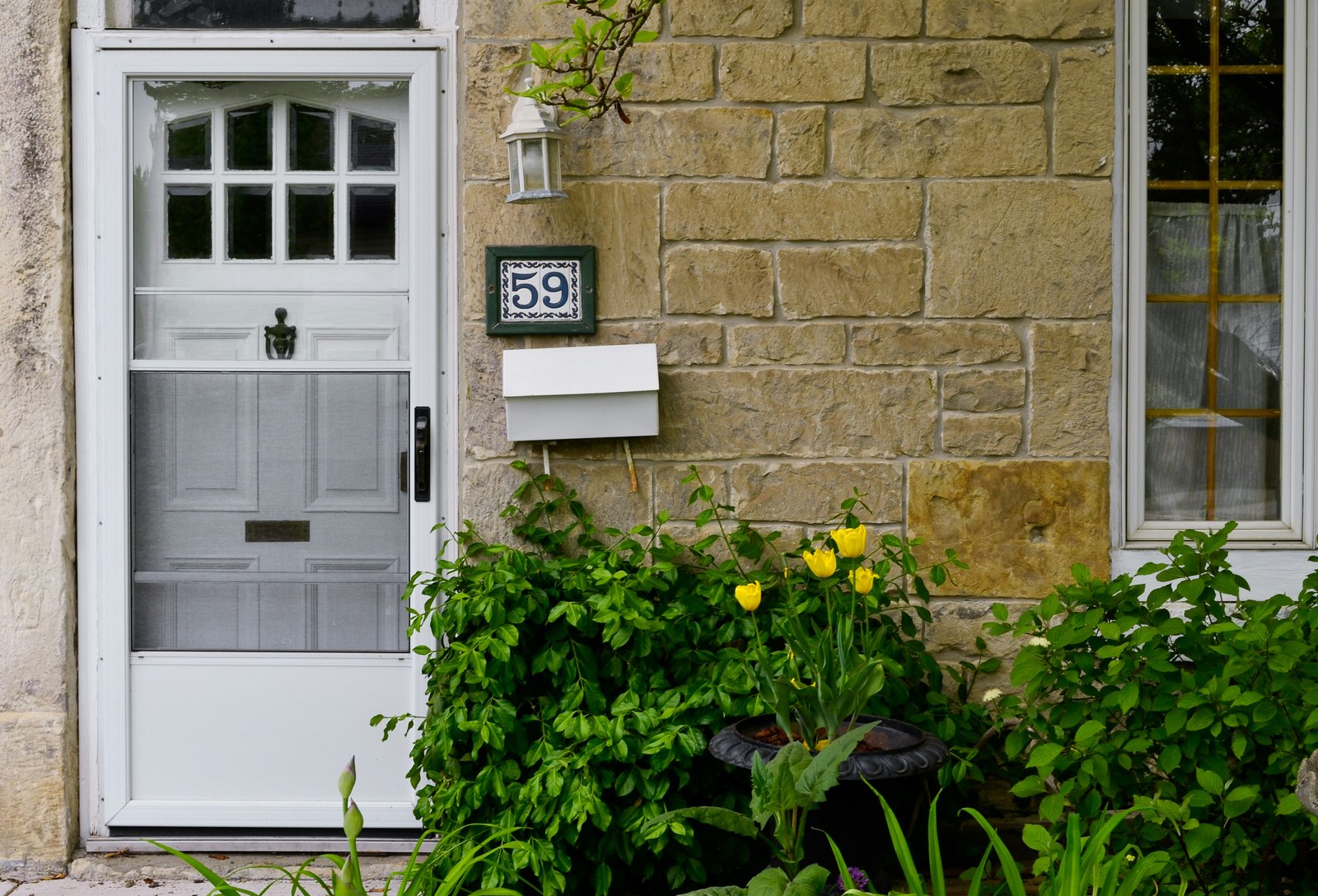
Home security no longer looks like it did twenty years ago. In the past, protecting your property meant installing a wired alarm system, drilling through walls, and committing to expensive, long-term monitoring contracts. Today, smart home security has made protection flexible, accessible, and significantly more intelligent.
Whether you are securing a suburban home in the United States, a flat in London, or a townhouse in Canada, modern wireless security allows you to monitor your space in real-time from anywhere in the world. But for a beginner, the sheer variety of cameras, sensors, and hubs can feel overwhelming. The key is understanding how to build a system that fits your lifestyle without turning your home into a fortress.
New to smart homes? Start with our Ultimate Smart Home Guide for Beginners for a complete introduction to smart technology.
Part 1: Why Smart Security Matters in 2026
Security today is about more than just preventing a break-in; it is about awareness. With the rise of online shopping, package theft has become a common concern in the US, UK, and Canada. Smart security fills the gaps in our busy lives, keeping us connected to our property even when we are at work or traveling.
The Psychology of Peace of Mind
There is a profound psychological benefit to smart security. Research in 2025 and 2026 suggests that homeowners with integrated security report lower anxiety levels while away from home. Knowing you can “check in” at any moment provides a level of reassurance that traditional deadbolts cannot offer. By automating routine tasks—like ensuring the door is locked at 10:00 PM—you reduce the “mental load” of home management.
Part 2: The Core Components of a Modern System
To build a high-quality system, you don’t need every gadget on day one. You need a foundation of three essential layers.
The Proactive Entryway (Smart Doorbells)
The video doorbell is the most important security device you can own. It acts as your digital gatekeeper, allowing you to see and speak to visitors without opening the door. In 2026, many of these devices now feature AI-powered recognition, which can distinguish between a delivery driver, a neighbor, and a stranger loitering near your porch.
The Perimeter Guard (Outdoor Surveillance)
Outdoor cameras provide the visual evidence needed if an incident occurs. Modern cameras offer 4K resolution and “Color Night Vision,” allowing you to see details like license plates or clothing colors even in total darkness. For a minimalist look, prioritize battery-powered cameras that require zero wiring and can be mounted discreetly under eaves or near gutters.
The Invisible Backbone (Contact & Motion Sensors)
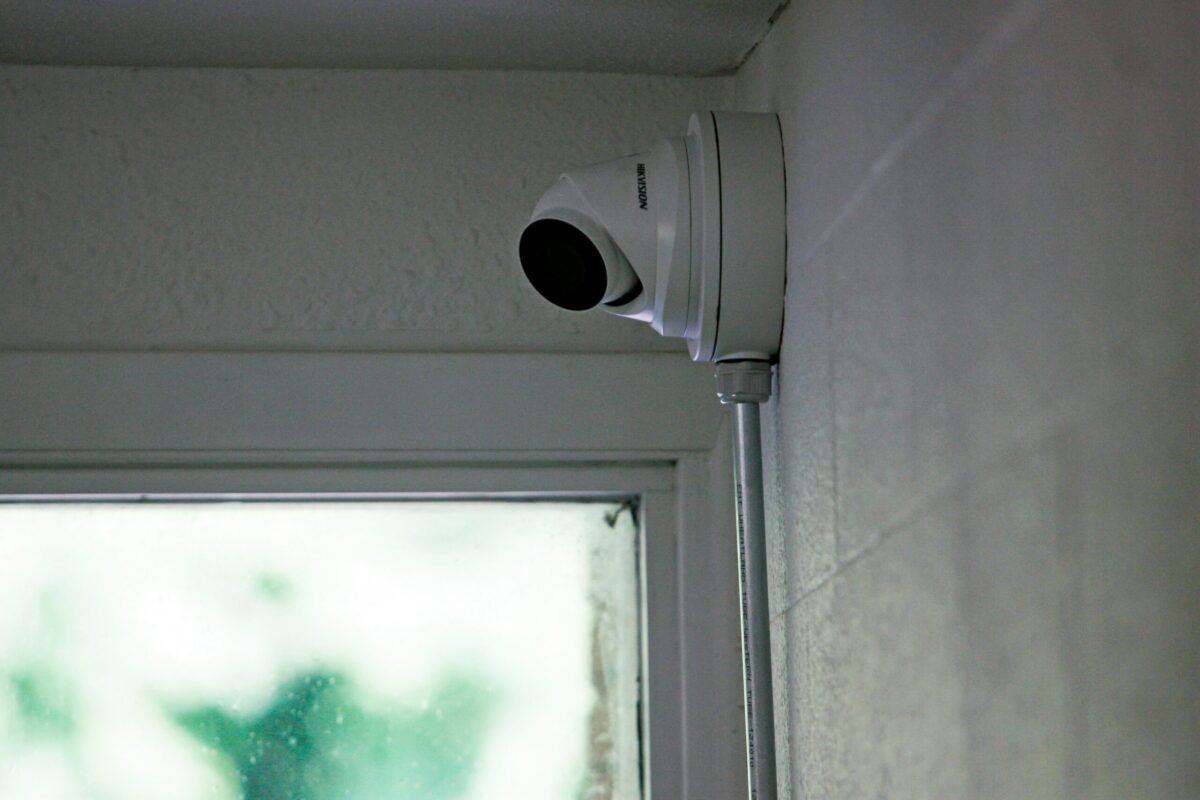
While cameras are the “eyes,” sensors are the “nerves” of your home.
- Contact Sensors: These small, magnetic devices notify you the second a door or window is opened.
- Motion Sensors: These track movement inside the house. Modern sensors are “pet-immune,” meaning they use infrared technology to distinguish between a human-sized intruder and a family dog.
Learn how to build your complete smart home system step by step in our Beginner’s Guide .
Part 3: Predictive AI and Smart Analytics
We have moved past the era of “dumb” alarms that ring every time a cat walks past a camera. In 2026, the best systems use Predictive AI.
Instead of just recording video, your system can analyze behavior. If a person stands on your driveway for more than three minutes at 2:00 AM, the system won’t just record it—it can trigger a proactive response, such as turning on your smart floodlights or playing a warning sound to let the person know they are being watched. This shifts your security from “reactive” (catching a thief after the fact) to “predictive” (preventing the theft before it happens).
Part 4: Privacy, Data, and The Matter Standard
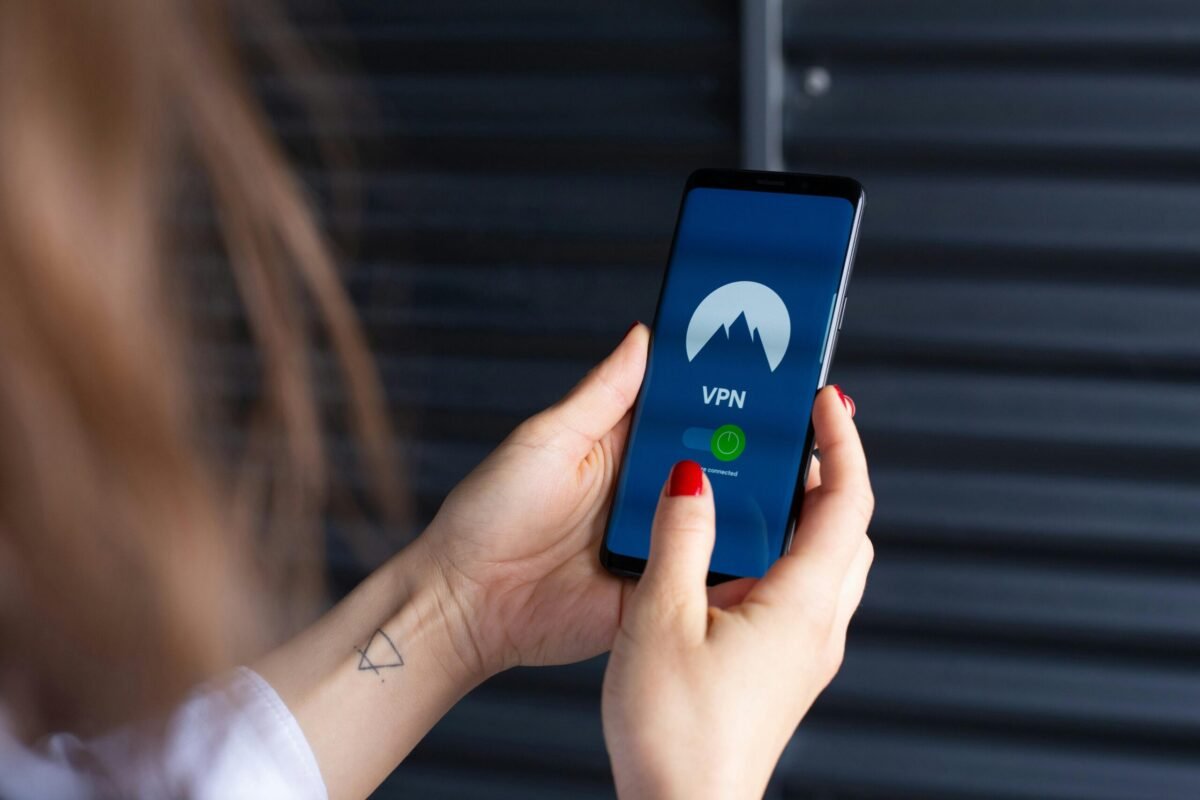
A major concern for many beginners is digital privacy. How do you ensure your security cameras aren’t a window for hackers?
The Matter 1.5 Standard
In early 2026, the Matter 1.5 standard introduced universal support for security cameras. This is a game-changer for homeowners. By choosing Matter-certified security devices, you ensure:
- Local Control: Your video data can be processed inside your home, not in the cloud, which significantly reduces hacking risks.
- Interoperability: Your cameras will work seamlessly whether you use an iPhone, an Android, or a smart display as your “monitor.”
Privacy by Design
Reputable brands now offer “Privacy Zones.” If your camera overlooks a neighbor’s window or a public sidewalk, you can digitally “black out” those areas so they are never recorded. This ensures you are protecting your home while respecting local privacy laws.
Part 5: DIY vs. Professional Monitoring
The beauty of modern security is the choice of monitoring.
| DIY Monitoring | Professional Monitoring |
|---|---|
| Zero monthly fees | $10-30 per month |
| You receive alerts directly | 24/7 professional monitoring center |
| You decide when to call authorities | They call authorities for you |
| Full control over your system | Can lower home insurance by 10-20% |
- The DIY Approach: You receive the alerts and decide when to call the authorities. This is excellent for those who want zero monthly fees and complete control.
- Professional Monitoring: For a small monthly fee, a professional center monitors your home 24/7. In countries like the US, this can often lead to a 10–20% discount on your home insurance premiums, effectively paying for the service itself.
Part 6: Creating a Staged Security Plan
You don’t need a fortress on day one. Follow this minimalist rollout:
- Month 1: Install a smart doorbell. It secures 80% of your interactions.
- Month 3: Add contact sensors to the ground-floor windows and back door.
- Month 6: Install two outdoor cameras to cover the driveway and backyard.
Final Thoughts: Confidence Through Awareness
Smart home security isn’t about creating a world of fear; it’s about creating a world of confidence. By starting with essential, high-quality hardware and expanding intentionally, you can build a system that protects your property, your packages, and your peace of mind. The best system is the one that fits your life so perfectly that you eventually forget it’s even there—until the moment you need it.
Ready to Learn More?
- Explore our Buying Guides for product recommendations
- Read our Ultimate Smart Home Guide for a complete overview
- Follow our Beginner’s Guide to build your system step by step