Create a calm, uncluttered space where technology serves without showing off
When Less Really Is More
In a small city apartment, every square inch matters. Every object on your counter, every device on your shelf, every wire visible behind your TV—they all compete for attention in your limited space.
The challenge? Integrating smart technology without cluttering the minimalist aesthetic.
The solution lies in choosing devices that disappear into the design. Technology that works quietly in the background, automating your comfort while remaining completely invisible. No blinking lights. No cluttered counters. No visible wires.
This approach isn’t about having less technology. It’s about having technology that demands less of your attention.
In this guide, we’ll walk through every room of a minimalist smart apartment, showing you exactly how to achieve this clean, calm aesthetic while enjoying the full benefits of a connected home.
The Core Principle: Technology Should Disappear
Before we dive into specific rooms, let’s establish the philosophy that guides every decision.
Every device must earn its place.
In a minimalist space, you don’t add technology because you can. You add it because it serves a purpose—and then you hide it as much as possible.
The Rules of Invisible Tech
- No blinking lights – Status LEDs should be disabled or covered
- No visible wires – Cables run inside walls or behind furniture
- No plastic clutter – Devices should have premium, design-conscious finishes
- No redundant controls – One interface for everything
- No visual noise – If it can’t be hidden, it should be beautiful enough to deserve visibility
This philosophy transforms your apartment from a collection of gadgets into a cohesive, peaceful home.
The Living Room: Where Invisible Magic Happens
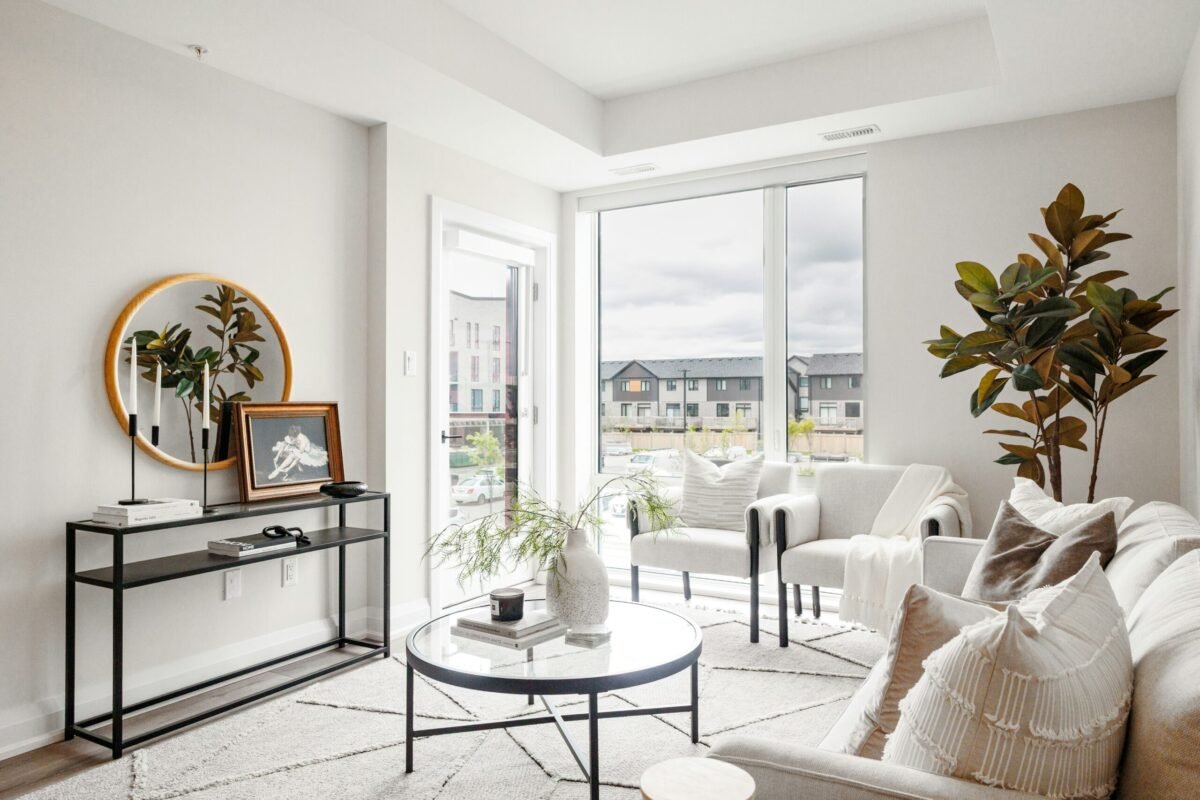
The living room is where you’ll spend most of your time, and where visible technology is most distracting. Here’s how to make it disappear.
Audio That Exists Only as Sound
Sonos architectural speakers are recessed into the ceiling, providing whole-room audio without a single visible speaker. No grilles on the floor. No wires running along baseboards. Just sound that seems to come from nowhere.
For a more budget-friendly approach, consider ceiling-mounted Bluetooth speakers or in-wall speakers with paintable grilles that disappear into the surface.
Lighting You Never See
Philips Hue lights are set to automatic schedules—cool white during the day, warm amber by evening. But the bulbs themselves are hidden:
- Recessed can lights with smart bulbs tucked inside
- LED strips behind floating shelves and under furniture
- Cove lighting that bounces light off ceilings and walls
The result? Beautiful light with no visible source.
Windows That Operate Themselves
Automated Lutron shades rise with the sun and close at dusk. They look like beautiful fabric shades—no one would guess they’re motorized. The controls are invisible, operated by voice command or scheduled automation.
For a complete guide to circadian lighting and automation schedules, see our Ultimate Guide to Smart Lighting.
Entertainment That Hides
Modern minimalist apartments often feature ultra-thin TVs that look like art frames when not in use. Some models offer “art mode” that displays beautiful imagery when the TV is off.
All components—cable boxes, streaming devices, game consoles—hide in a closed cabinet. An IR repeater or smart hub lets you control them without opening doors.
Climate Control as Design
Sleek thermostats like the Nest Learning Thermostat or Ecobee SmartThermostat are designed to be seen. Their minimalist aesthetics—polished metal, smooth glass, simple interfaces—make them worthy of wall space.
Choose finishes that complement your hardware: brushed nickel for modern spaces, matte white for Scandinavian minimalism, or black for dramatic contrast.
The Kitchen: Clean Counters, Clever Automation
The kitchen presents unique challenges. Counters fill quickly. Appliances compete for space. Yet it’s where morning routines happen.
Hidden Power Control
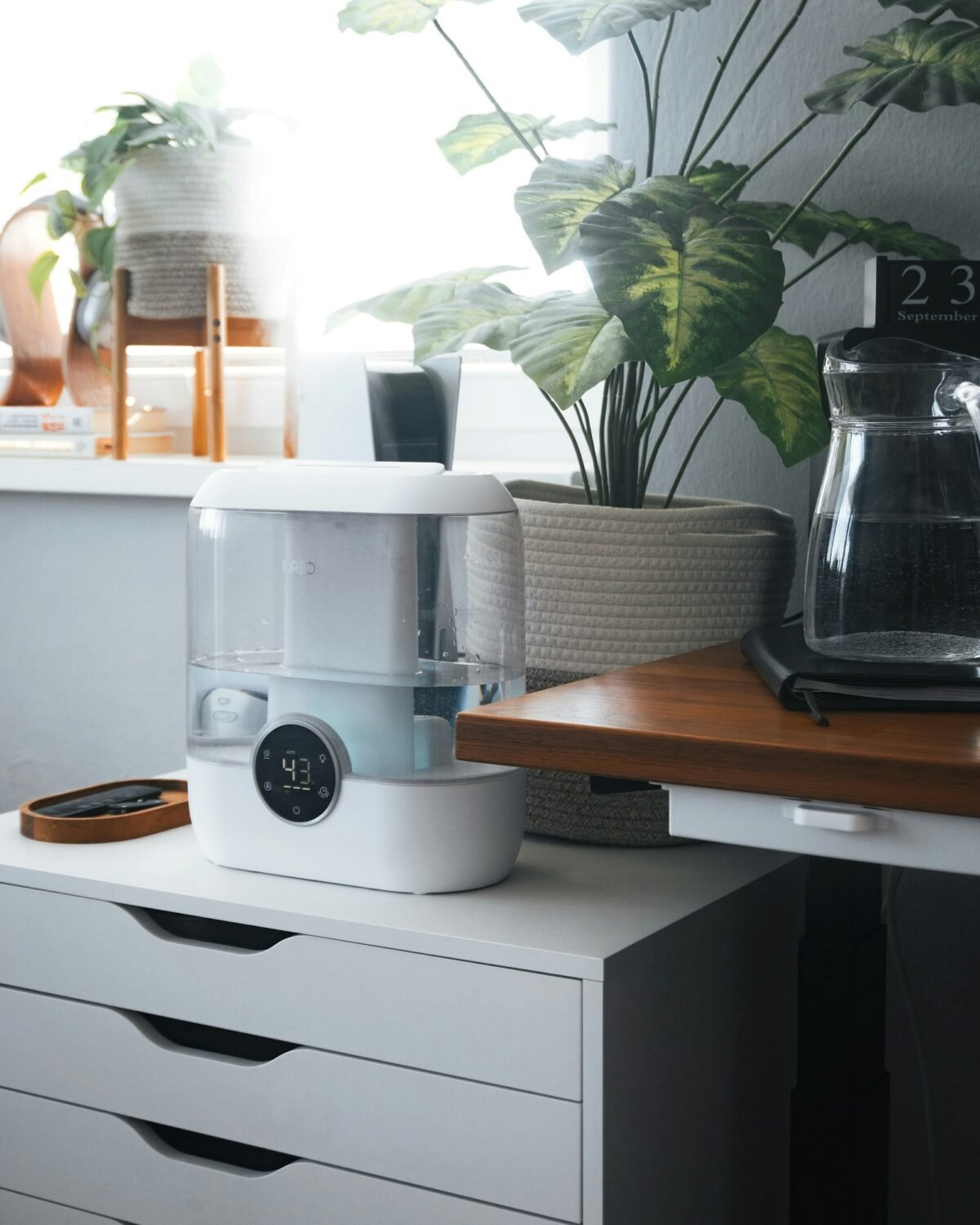
Smart plugs are invisible heroes. Hidden behind appliances, they control:
- Coffee makers (start with your morning alarm)
- Electric kettles (boil water before you wake)
- Toasters and small appliances (ensure they’re off when you leave)
All of this happens through morning routines triggered by your smart home “brain.” For guidance on choosing the right ecosystem, see our buying guides.
Lighting That Appears Only When Needed
Motion-sensor under-cabinet lights illuminate workspaces only when you’re there. During the day, they stay off. At night, they provide warm, dim light for late-night snacks without blinding you.
The light strips themselves are hidden under cabinets, invisible from normal standing height. All you see is the light they provide.
Smart Appliances That Blend
Modern refrigerators from brands like LG and Samsung offer hidden displays—screens that disappear into the door when not in use. Dishwashers accept custom cabinet panels that match your kitchen exactly, making them indistinguishable from surrounding cabinetry.
Water Monitoring and Safety
Leak detectors hide under sinks and behind dishwashers, alerting your phone the moment moisture appears. They’re completely invisible until you need them—and then they’re invaluable.
For more bathroom-specific safety ideas, see our Smart Bathroom guide.
The Bedroom: A Minimalist Sleep Sanctuary
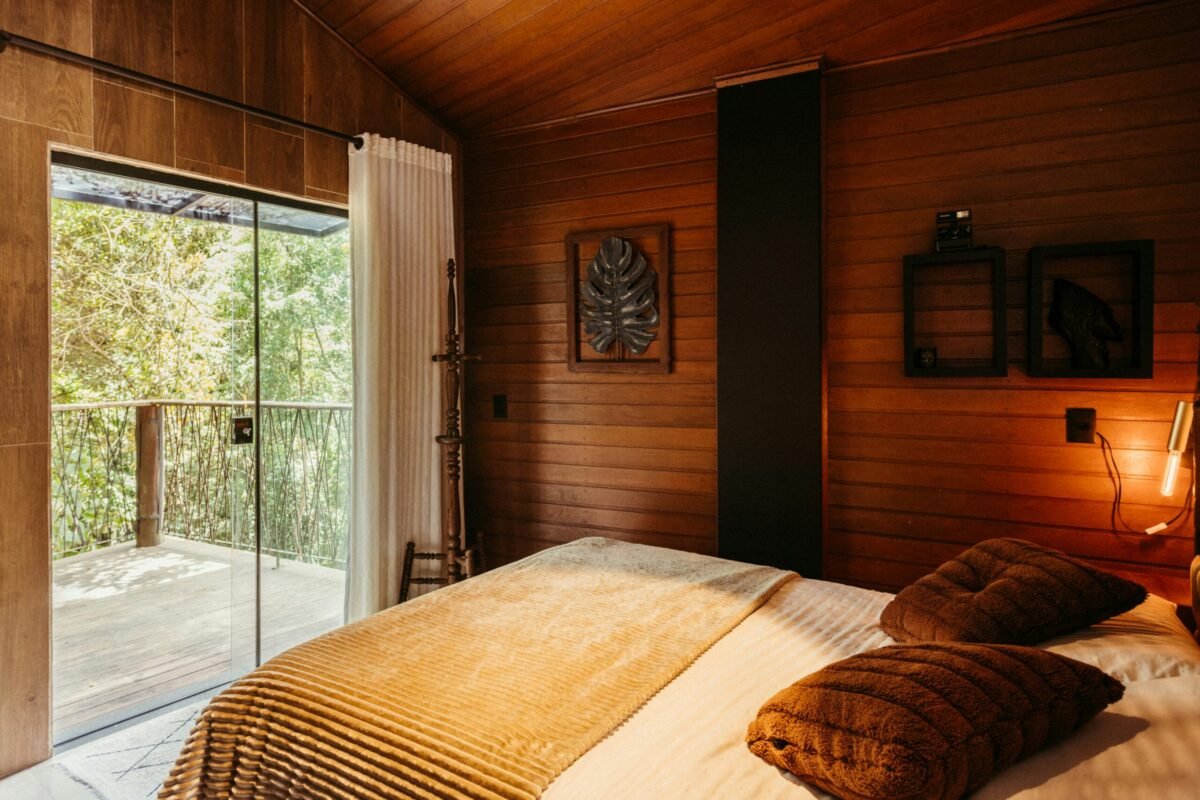
Your bedroom should feel like a retreat—calm, quiet, and completely free of distractions. Smart technology can support this without ever showing itself.
Invisible Circadian Lighting
Recessed smart bulbs or smart switches control overhead lighting without visible fixtures. Set them to:
- Morning: Gradual sunrise simulation (2200K to 5000K over 30 minutes)
- Day: Bright, cool light when needed
- Evening: Warm, dim amber (2400K at 20%)
- Night: Complete darkness with 1% path lighting to bathroom
For a complete guide to sleep-optimized lighting, read our Smart Bedroom Design Ideas.
Hidden Sound
Like the living room, in-ceiling speakers provide audio for alarms, white noise, and morning news. No visible speakers, no wires—just sound where you need it.
For a simpler approach, a smart speaker can sit on a nightstand, but choose one with fabric finishes that blend with your decor.
Disappearing Window Treatments
Motorized shades mount flush with window frames or hide behind ceiling valances. Control them by voice, schedule, or sunrise/sunset triggers. During the day, they look like ordinary shades. At night, they close automatically.
Under-Mattress Sleep Tracking
Sleep trackers like the Withings Sleep Analyzer slide under your mattress—completely invisible. They track heart rate, breathing, sleep cycles, and snoring, providing morning insights on your phone or smart mirror.
No wearables. No bedside gadgets. Just data that appears when you want it.
The Entryway: First Impressions Matter
Your entryway sets the tone for your entire home. It should feel welcoming, not cluttered with gadgets.
The Perfect Smart Lock
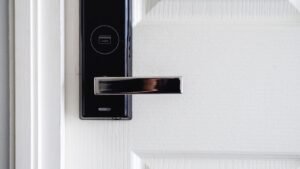
Level Lock is the holy grail of invisible smart locks. It fits entirely inside your existing deadbolt—from the outside, it looks like a regular lock. No keypad. No visible branding. Just beautiful hardware that happens to be smart.
For a visible option, choose locks with minimalist designs in finishes that match your door hardware.
Discreet Video Doorbell
Look for low-profile video doorbells that sit flush against the door frame. Some models offer paintable faceplates that let you match them exactly to your trim color.
Hidden Networking
Your router, smart home hubs, and bridges belong in one place: a closet or media cabinet. Centralize all networking gear in a ventilated space, running Ethernet cables through walls to key locations.
This single step eliminates the tangle of wires and blinking boxes that plague most smart homes.
Choosing Invisible Tech: A Buyer’s Guide
Not all smart devices are created equal. Here’s what to look for when selecting technology for a minimalist space.
What to Prioritize
| Feature | Why It Matters |
|---|---|
| Architectural-grade products | Designed to be installed into the home, not placed on surfaces |
| Paintable or customizable finishes | Let you match devices to your walls and trim |
| Recessed or flush-mount options | Sit within walls or ceilings, not protruding |
| No status LEDs | Or LEDs that can be disabled in settings |
| Premium materials | Metal, glass, and fabric—not glossy plastic |
What to Avoid
| Red Flag | The Problem |
|---|---|
| Blinking lights | Visual noise that draws attention |
| Glossy white plastic | Looks cheap and attracts fingerprints |
| Bulky designs | Dominate a space rather than blending |
| Visible wires | Impossible to hide without renovation |
| Branded logos | Make devices feel like appliances, not design |
Brands That Prioritize Design
- Lutron – Switches, shades, and controls with timeless aesthetics
- Sonos – Architectural speakers that disappear into walls and ceilings
- Philips Hue – Bulbs that work invisibly in existing fixtures
- Nest – Thermostats and detectors that look like art
- Level – Locks that hide inside your door
- Brilliant – Smart controls that look like light switches
Installation Tips for a Clean Look
Achieving invisible technology requires thoughtful installation. Here’s how to get it right.
Hide Every Wire
- In-wall rated cables let you run wires inside walls (check local codes)
- Cord covers painted to match your walls work when in-wall isn’t possible
- Furniture placement hides power strips and excess cables
- Cable sleeves bundle multiple wires into single, tidy runs
Centralize Your Hubs
Designate one closet or cabinet for:
- Router and modem
- Smart home hubs (Philips Hue, Lutron, etc.)
- Power strips and battery backups
- Network switches
Run Ethernet from this central location to key rooms. This single cabinet replaces a dozen visible boxes throughout your home.
Use Smart Switches Instead of Bulbs
For overhead lights, consider smart switches rather than smart bulbs. They’re completely invisible (they look like regular switches) and control your existing fixtures. No visible bulbs needed.
This approach works especially well for:
- Dining room chandeliers
- Bathroom vanity lights
- Hallway fixtures
Plan for Retrofit vs. New Construction
In a new apartment or renovation:
- Run conduit for future wiring
- Install speaker wire during construction
- Choose recessed options from the start
In an existing apartment:
- Focus on battery-powered options
- Use plug-in devices hidden behind furniture
- Accept that some wires will need creative hiding
Budget-Friendly Minimalism
You don’t need unlimited funds to create an invisible smart home. Start small and expand thoughtfully.
Under $100
- Smart plug bundle ($20–30) hidden behind existing lamps and appliances
- One designer switch ($40–60) for your most-used overhead light
- Cable management kit ($15–25) to clean up visible wires
Under $300
- Smart bulb starter pack ($50–100) for key fixtures
- Sleek smart lock ($150–200) like the Wyze Lock or August (Level is premium)
- Motion sensors ($30–50) for hallway and bathroom lighting
Under $500
- Nest or Ecobee thermostat ($200–250) – design-forward and functional
- Sonos architectural speaker for one room ($300–400) – invisible audio
- Motorized shade for one window ($250–350) – IKEA FYRTUR for budget, Lutron for premium
Investment Pieces to Save For
- Full Lutron shading system – transforms your relationship with natural light
- Whole-home audio with architectural speakers – invisible luxury
- Level Lock – the ultimate invisible smart lock
- Custom millwork for hiding components – built-in cabinets that conceal all technology
Common Mistakes to Avoid
Learn from others’ experiences—avoid these pitfalls:
Mistake 1: Visible Wires Everywhere
The Problem: Even the most beautiful devices look messy with cables dangling.
Better Approach: Before installing anything, plan where wires will go. Budget for cable management. If you can’t hide it, don’t buy it.
Mistake 2: Mismatched Finishes
The Problem: White plastic next to brushed nickel next to black glass creates visual chaos.
Better Approach: Choose devices with consistent finishes. Paintable options let you match exactly. When in doubt, choose matte white or neutral metallics.
Mistake 3: Blinking Status Lights
The Problem: A dark room filled with tiny blinking LEDs destroys the peaceful atmosphere.
Better Approach: Check device settings for “LED off” modes. If unavailable, use a tiny piece of electrical tape to cover lights.
Mistake 4: Over-Automating
The Problem: Every outlet and switch becomes smart, creating complexity without benefit.
Better Approach: Automate the 20% of devices you use 80% of the time. Leave everything else manual.
Mistake 5: Ignoring Scale
The Problem: Oversized devices overwhelm small apartments. A massive smart speaker dominates a tiny living room.
Better Approach: Choose appropriately sized devices. Better yet, choose invisible ones.
Mistake 6: Visible Branding
The Problem: Logos and brand names make devices feel like advertisements.
Better Approach: Seek out products with minimal or no visible branding. Many premium brands offer “stealth” versions.
Mistake 7: Forgetting About Guests
The Problem: Invisible controls confuse visitors who can’t find light switches.
Better Approach: Maintain at least one obvious control point. Label switches if needed. Create a simple instruction card for house sitters.
Frequently Asked Questions
How do I hide smart speakers without sacrificing sound quality?
For best sound, use architectural in-wall or in-ceiling speakers. They’re designed to sound excellent while disappearing completely. For portable options, choose speakers with fabric finishes and place them on shelves among books—they blend in naturally.
Can I make existing outlets look smarter?
Yes! Screwless wall plates from brands like Lutron and Legrand create a clean, seamless look. Some companies offer built-in USB outlets that blend with standard outlets. For smart outlets, choose models with minimal branding and LED-off modes.
What’s the best smart lock for minimalist design?
Level Lock is the undisputed winner—it hides completely inside your existing deadbolt. For a visible option, the Yale Assure Lock with brushed nickel or matte black finishes offers clean lines and multiple smart protocols.
How do I control everything without cluttering my phone?
Use one primary app based on your ecosystem (Apple Home, Google Home, or Alexa). Add devices that work with that ecosystem. You’ll control everything from one place. See our ecosystem guides for help choosing.
What about rental apartments? Can I still achieve this look?
Absolutely. Focus on:
- Battery-powered devices (sensors, some locks)
- Smart plugs (hidden behind furniture)
- Cord covers (painted to match walls)
- Removable adhesive mounts
Avoid anything that requires permanent installation or wiring.
How do I hide the router and modem?
Place them in a ventilated cabinet or closet. If they must be visible, choose models with minimalist design (like the Nest Wifi points) or enclose them in a decorative box with ventilation holes.
What’s the one device I should buy first?
For immediate impact with zero visual clutter: smart plugs hidden behind existing devices. They automate your current setup without adding anything visible.
For a visible device that earns its place: Nest Learning Thermostat. It’s beautiful enough to display proudly.
Final Thoughts: The Apartment as a Whole
A minimalist smart apartment isn’t about having less technology. It’s about having technology that respects your space.
When every device is chosen with intention, when every wire is hidden, when every control is seamless—you stop noticing the technology altogether.
What remains is what matters: a calm, open, intentionally designed home.
The living room feels peaceful because no blinking lights compete for attention. The kitchen feels spacious because counters stay clear. The bedroom feels restful because no gadgets interrupt the dark.
This is the promise of invisible technology. Not smarter homes, but smarter living—where the space serves you, and the technology simply… disappears.
Start with one room. Hide one wire. Choose one device that truly earns its place.
Your minimalist sanctuary awaits.
Resources and Next Steps
Related Guides on goefte
- Smart Bedroom Design Ideas for Better Sleep
- Smart Bathroom Concepts: Your Personal Spa Awaits
- Smart Lighting for Cozy Interiors: A Guide to Warmth
- The Ultimate Guide to Smart Lighting: Science, Sleep, and a Healthier Home
- Choosing the Brain of Your Home: Smart Home Hubs Explained
- Which Smart Home Brain is Right for You? The Complete 2026 Decision Guide
Affiliate Disclosure
Some links on this page are affiliate links. If you purchase through these links, we may earn a small commission at no extra cost to you. This helps support our website and allows us to continue providing valuable content. Thank you for your support!
Learn more about our affiliate policy