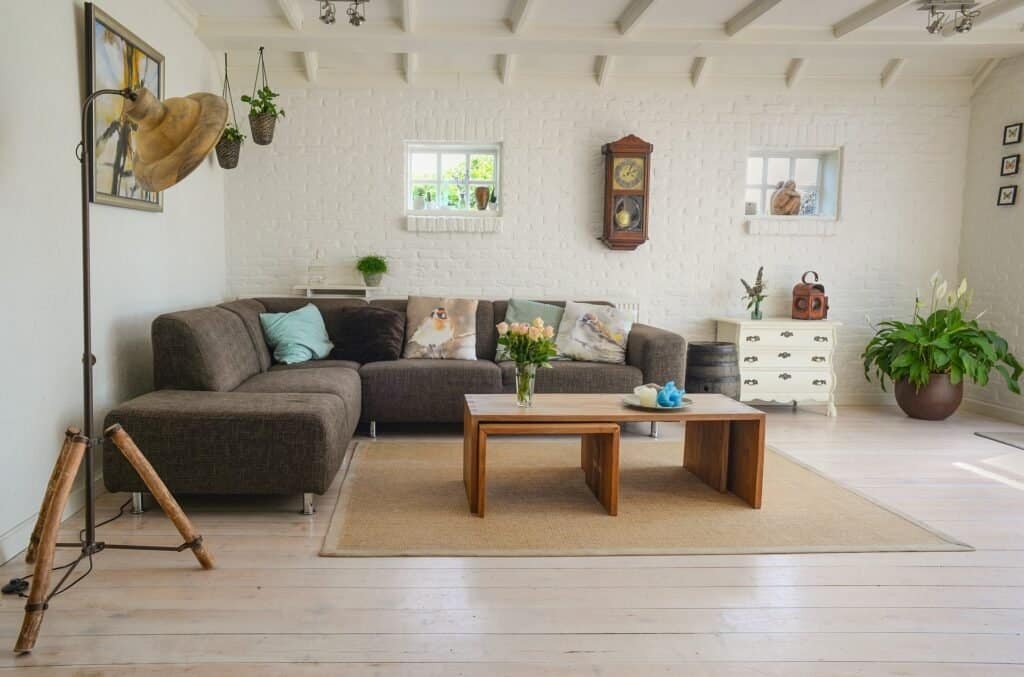
Smart homes are often associated with blinking LEDs, tangles of black cables, and bulky plastic sensors. However, a new movement is shifting the narrative. Minimalist smart living is the art of integrating cutting-edge technology into a home so seamlessly that the “smart” elements become invisible.
The goal is not to own less technology, but to own technology that demands less of your visual and mental attention. In this comprehensive guide, we will explore how to curate a home that is both highly intelligent and deeply serene.
Part 1: Defining the Philosophy of “Invisible Intelligence”
Minimalism in interior design is about intentionality—prioritizing quality and space over quantity and clutter. When applied to technology, this translates into Invisible Intelligence. This means your home reacts to your presence, manages your energy, and secures your perimeter without needing a dozen gadgets sitting on your coffee table.
The Problem with “Feature Creep”
Many homeowners fall into the trap of “Feature Creep”—buying a gadget simply because it exists. A minimalist approach rejects this. Every device must solve a friction point in your daily life. If a device doesn’t save you time, improve your comfort, or reduce energy waste, it has no place in a minimalist home.
Part 2: Strategic Planning and the “Unified Ecosystem”
A major source of “digital clutter” is having to open five different apps to perform one simple task. To achieve a high-quality smart home, you must start with a unified foundation.
Choosing Your Ecosystem
To keep your phone and your brain organized, you must commit to one primary ecosystem. Whether you prefer a platform focused on privacy, one focused on data and search, or one focused on retail convenience, staying within one “family” ensures that your devices communicate without friction.
The Technical Foundation: Matter and Thread
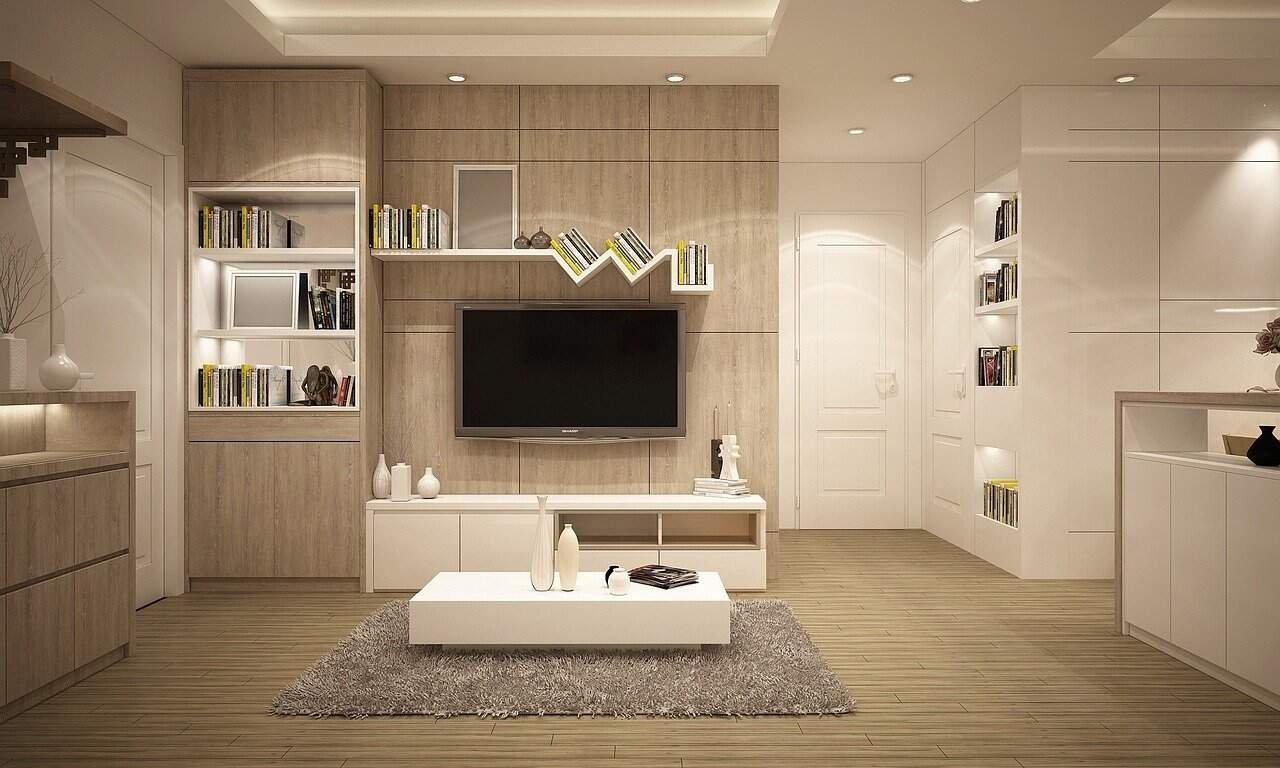
In 2026, a minimalist home should prioritize universal communication standards. Matter is a protocol that allows different devices to talk to each other locally without needing a separate “bridge” or “hub” for every single brand. By choosing hardware that supports these standards, you reduce the number of plastic boxes plugged into your router, significantly cleaning up your technical “closet.”
Part 3: Selecting Aesthetic Hardware
Not all smart tech is created equal. Some hardware focuses on “tech-first” (bulky and industrial), while others focus on “design-first” (using materials like brushed metals, fabric, and glass).
The “Double-Duty” Rule
The key to minimalism is selecting hardware that serves more than one purpose:
- Audio as Decor: Look for smart speakers that are covered in high-quality acoustic fabric. These act as your home’s brain but look like modern sculptures or home decor.
- Displays as Art: Large smart displays can function as digital art galleries or family photo frames when not in use. This replaces the need for static frames while providing a window into your home’s security and calendar.
The Lighting Revolution
Lighting is the most powerful tool in a minimalist’s kit. Rather than adding extra floor lamps that take up space, focus on the lighting already built into your ceiling and walls. Smart bulbs and integrated strips allow you to change the entire “vibe” of a room—from cool productivity to warm relaxation—without moving a single piece of furniture.
Part 4: The Art of Invisible Installation
The difference between a “DIY project” and a professional “Designer Home” is how you handle the physical details.
Advanced Cable Management
Wires are the “visual noise” that kills a minimalist aesthetic.
Strategic Sensor Placement
- In-Wall Routing: Whenever possible, route power behind the wall for tablets and televisions.
- Cable Sleeves: For areas like home offices, use braided sleeves that match your wall or desk color to group wires into a single, clean line.
- Surface Clearing: Use furniture with built-in wireless charging to keep your nightstands and end tables free of messy charging cables.
Automation relies on sensors (motion, temperature, and contact). To keep them minimalist, place them where the eye doesn’t naturally travel:
- Top of Door Frames: Instead of the center of a door.
- Under Cabinets: For environmental sensors like leak detectors.
- Behind Furniture: For climate and air quality sensors.
Part 5: Room-by-Room Integration Guide
The Serene Living Room
In the living room, technology should be heard, but not seen. Consider in-ceiling speakers for multi-room audio and motorized window treatments tucked into the headers. These provide comfort and luxury without taking up a single square inch of floor space.

The Productive Kitchen
The kitchen is a high-utility zone. Minimalist integration here involves using discreet smart plugs hidden behind your existing high-quality appliances (like a designer coffee maker). This allows you to “smartify” your classic tools without replacing them with “smart” versions that might clash with your kitchen’s aesthetic.
The Restorative Bedroom
The bedroom should be a tech-free zone for the eyes but a tech-heavy zone for the body. Use circadian lighting—bulbs that shift from blue light in the morning to warm orange tones in the evening—to help regulate your sleep cycle. By automating your thermostat to drop the temperature at night, you improve sleep quality without ever touching a dial.
Part 6: Maintenance and Digital Minimalism
A smart home is a living system. Over time, your apps can become cluttered with “ghost” devices and outdated routines that no longer serve you.
- The Monthly Audit: Once a month, delete any automated routines you no longer use.
- Standardized Naming: Name your devices based on their location and function (e.g., “Main Bedroom Window” instead of “Device 42”). This makes voice control effortless and reduces mental friction.
Curating a Smarter Space
Minimalist smart living isn’t about depriving yourself of technology—it’s about curating it. By selecting multi-functional hardware, prioritizing a clutter-free installation, and sticking to a unified ecosystem, you can enjoy all the benefits of a connected home without the visual noise. Ultimately, the best smart home is the one you don’t notice until it’s making your life easier.